Description
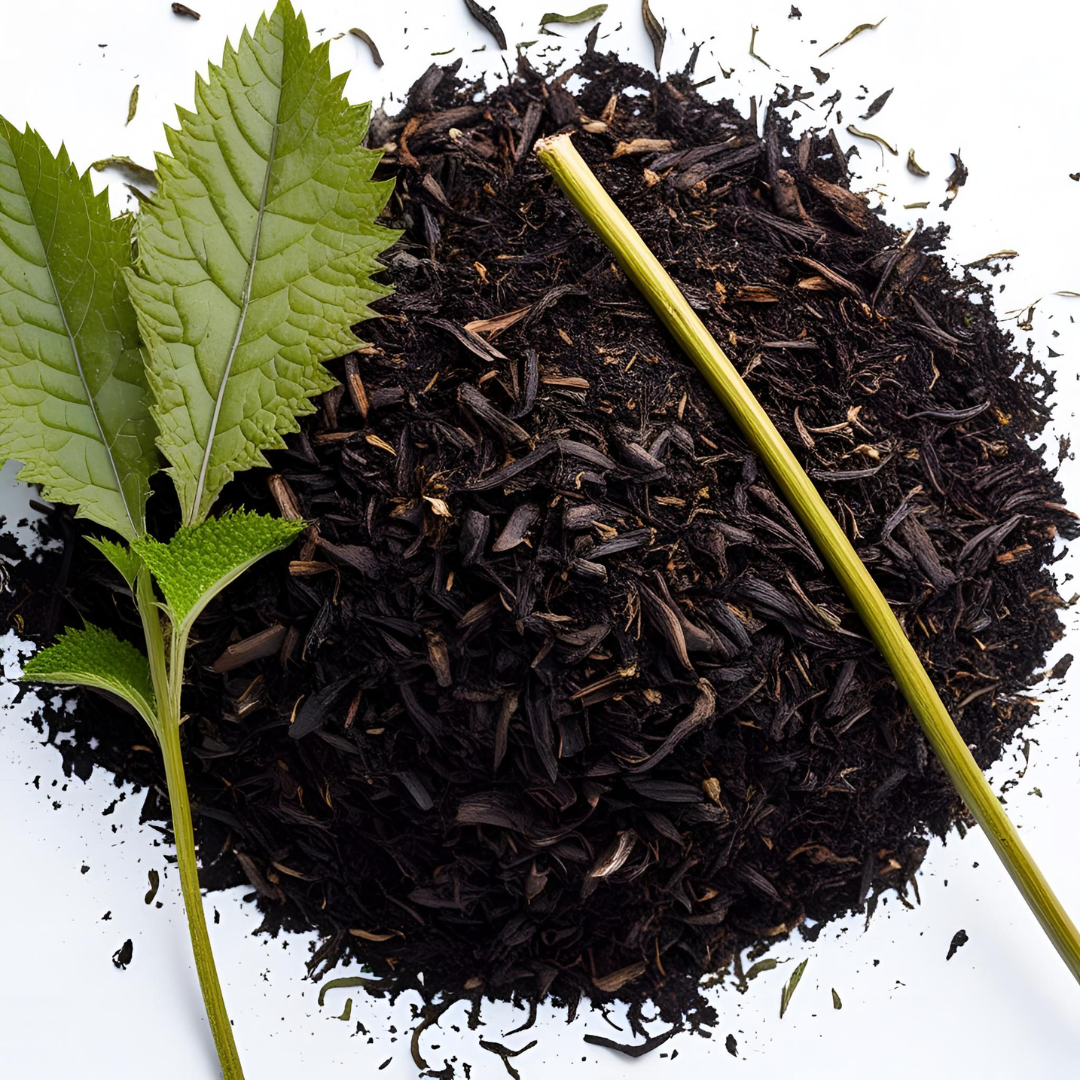
One ingredient. Dried nettle leaf. That’s it.
Stinging nettle (Urtica dioica) has one of the most impressive research files of any common herb — it’s been studied extensively as a natural antihistamine, a circulation supporter, and a nutritional powerhouse. Dried nettle leaf is loaded with iron, magnesium, calcium, silica, chlorophyll, and quercetin (a flavonoid associated with mast cell stabilization and histamine response regulation). The Science Fangirl translation: this humble weed is doing a lot. Human-grade, organically sourced, one pure ingredient. Don’t worry, the drying process neutralizes the sting.
What is nettle leaf used for in horses?
Nettle leaf is traditionally used to support histamine balance in allergy-prone horses, skin and coat health (especially in horses with sweet itch, hives, or seasonal itchiness), healthy circulation, iron and mineral nutrition, and urinary/kidney function. It’s one of the most versatile herbs in the Apothecary — touching respiratory, skin, joint, and circulatory systems in different ways.
Is nettle leaf safe for metabolic horses?
Yes. Single-ingredient nettle leaf contains no added sugar, no salt, no copper, and no electrolytes. It is safe for horses with insulin resistance (IR), Cushing’s disease (PPID), equine metabolic syndrome (EMS), and laminitis. Always introduce any new supplement gradually and consult your vet if your horse is on medication.
How does nettle leaf work as a natural antihistamine?
Nettle contains quercetin and other flavonoids that research has associated with stabilizing mast cells — the immune cells that release histamine during allergic reactions. Unlike pharmaceutical antihistamines that block histamine receptors after histamine has been released, nettle is traditionally associated with supporting a more balanced histamine response before it cascades. It’s why nettle has stayed in herbal practice for centuries as the go-to for itchy, hive-prone, allergy-reactive bodies — equine, canine, or human.
How do I give nettle leaf to my horse?
Nettle leaf is most often top-dressed on feed. A common starting dose for a 1,000 lb horse is 1–2 tablespoons daily, introduced gradually over 5–7 days. For seasonal allergy support, many owners start nettle 2–3 weeks before peak allergy season to build up effect. It can also be infused tea-style in a water bucket. Your vet or equine nutritionist can advise on specific daily dosages for your horse’s weight and condition.
What’s in it
- Dried nettle leaf (Urtica dioica). That is the complete ingredient list.
- Human-grade. Organically sourced.
- Made in Land O’ Lakes, Florida.
What’s NOT in it
- No added sugar, salt, or electrolytes
- No copper, no fillers, no gums, no “natural flavors”
- No pharmaceutical antihistamines, no synthetic quercetin isolates
- No sting — drying neutralizes the formic acid in fresh nettle
Who it’s safe for
Horses with seasonal allergies, sweet itch, hives, general itchiness, or histamine-driven skin reactions. Horses with insulin resistance (IR), Cushing’s disease (PPID), equine metabolic syndrome (EMS), and laminitis. Seniors who need gentle iron and mineral support. Performance horses benefiting from circulation support. Caution: nettle has a diuretic effect traditionally — horses on potassium-depleting diuretic medications should be discussed with your vet first. Part of the Farmily — safe across species at appropriate doses.
Pairs well with
Nettle leaf is a primary ingredient in Oh My Gourd! (pumpkin + nettle leaf + oat flour hydration mix — our go-to for allergy-prone horses). It’s also featured in the Immune Pack, Mare Pack, Joint & Circulation Pack, Stress Pack, and Skin & Coat Pack. For a broader allergy-support approach, pair nettle with turmeric.
Improve Equine is made in Land O’ Lakes, Florida. Nettle is one of the most research-backed herbs in the Apothecary. It’s also the one that lives in drainage ditches everywhere — a reminder that the best herbs are often the ones that have been under our feet the whole time.
Important: This product is a health-supportive food-grade botanical. It is not a medicine, is not intended to diagnose, treat, cure, or prevent any disease, and is not a substitute for veterinary care. Use with caution if your horse is on potassium-depleting diuretic medications or has diagnosed kidney conditions. Always consult your veterinarian before starting any new supplement, especially for horses on medication or with diagnosed conditions.


Reviews
There are no reviews yet