Science
Everything in the Science section is sourced. These are not the same as the Opinions section and I will not pretend they are. Every ingredient in Benchmark has a corresponding article here — so you can read the same primary research I read and verify the reasoning yourself.
How spirulina dose-dependently inhibits mast cell degranulation and reduces serum histamine levels — and why that mechanism matters for horses with hypersensitivity conditions.
Read More →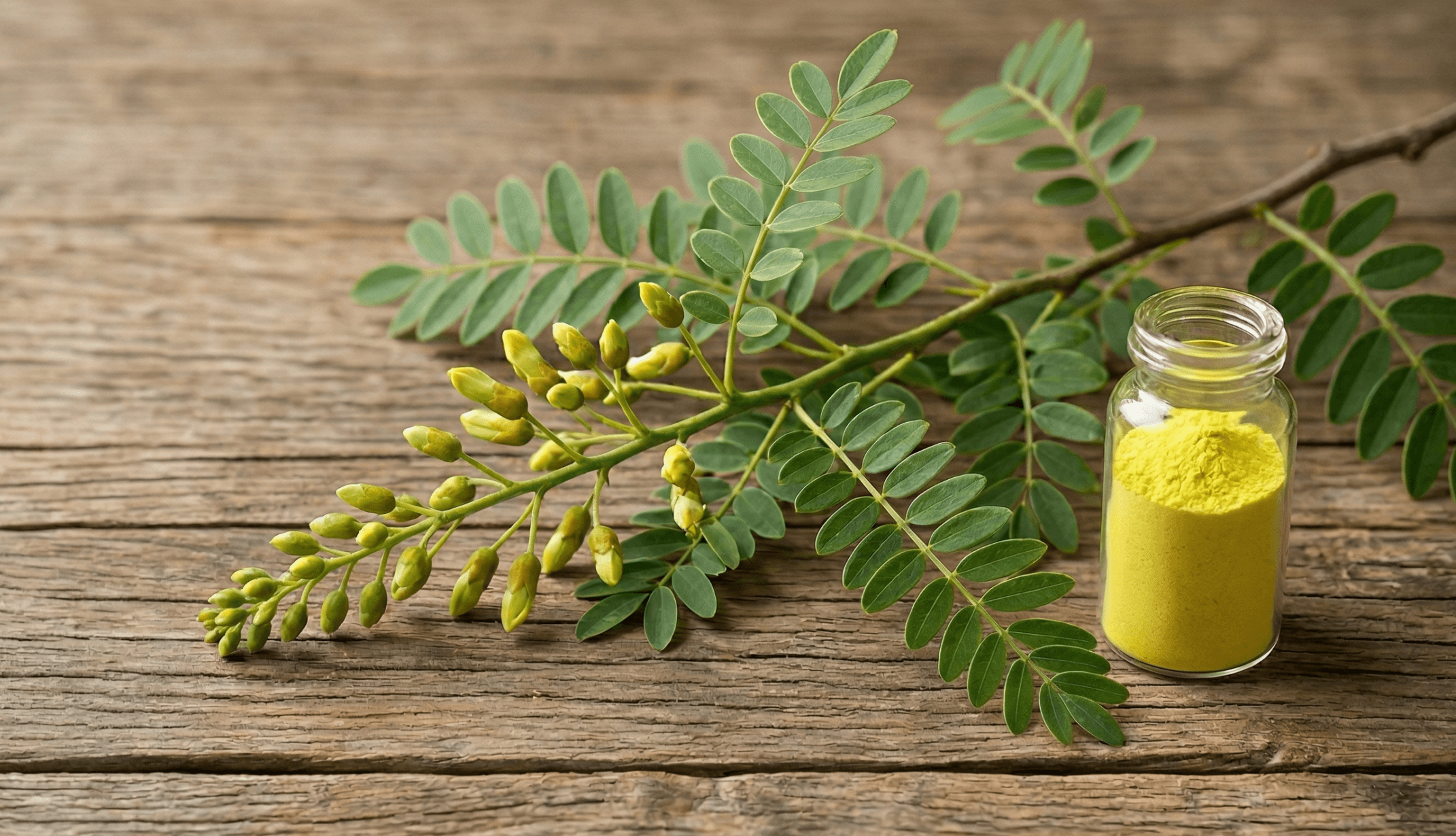
Tufts University research shows quercetin outperforms cromolyn — the pharmaceutical mast cell stabilizer — in blocking mast cell cytokine and histamine release. We use the more bioavailable form: isoquercetin.
Read More →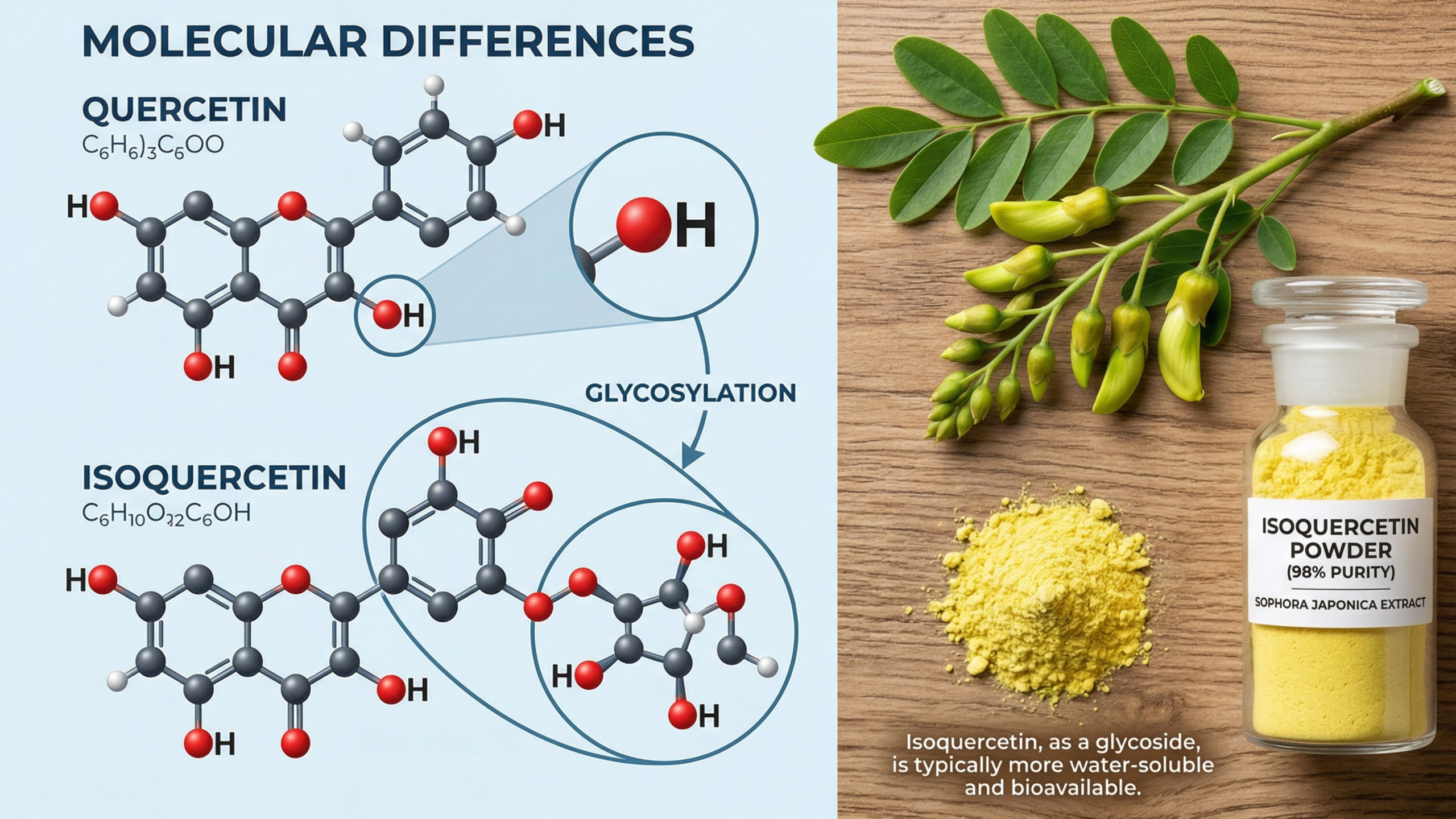
Why isoquercetin outperforms standard quercetin in bioavailability studies — 1.5× more absorbed — and what that means for horses that need systemic anti-allergic support.
Read More →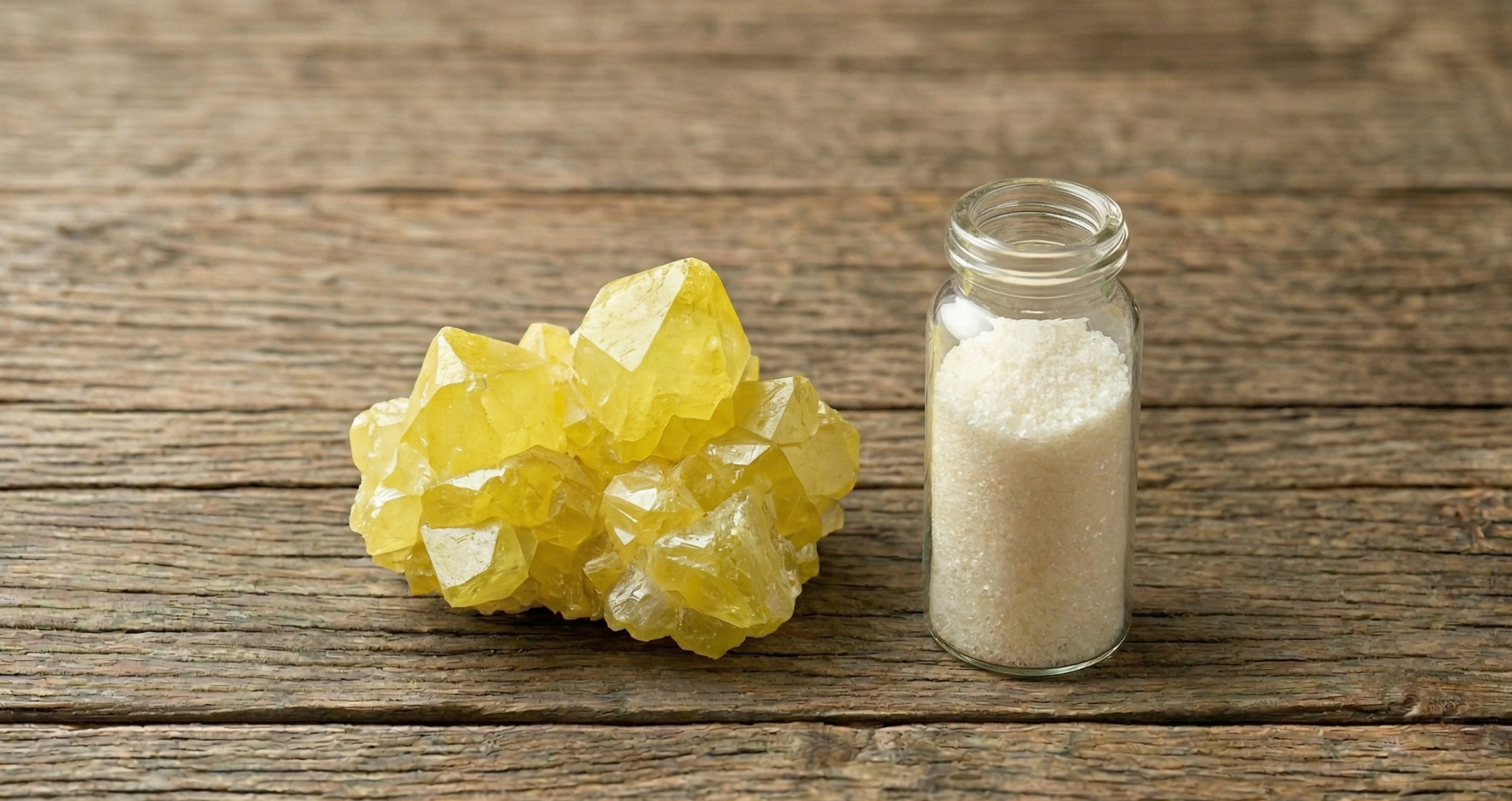
The peer-reviewed evidence for methylsulfonylmethane in reducing inflammation across joint, airway, and dermal tissues. We use the pharmaceutical-grade distilled form: OptiMSM.
Read More →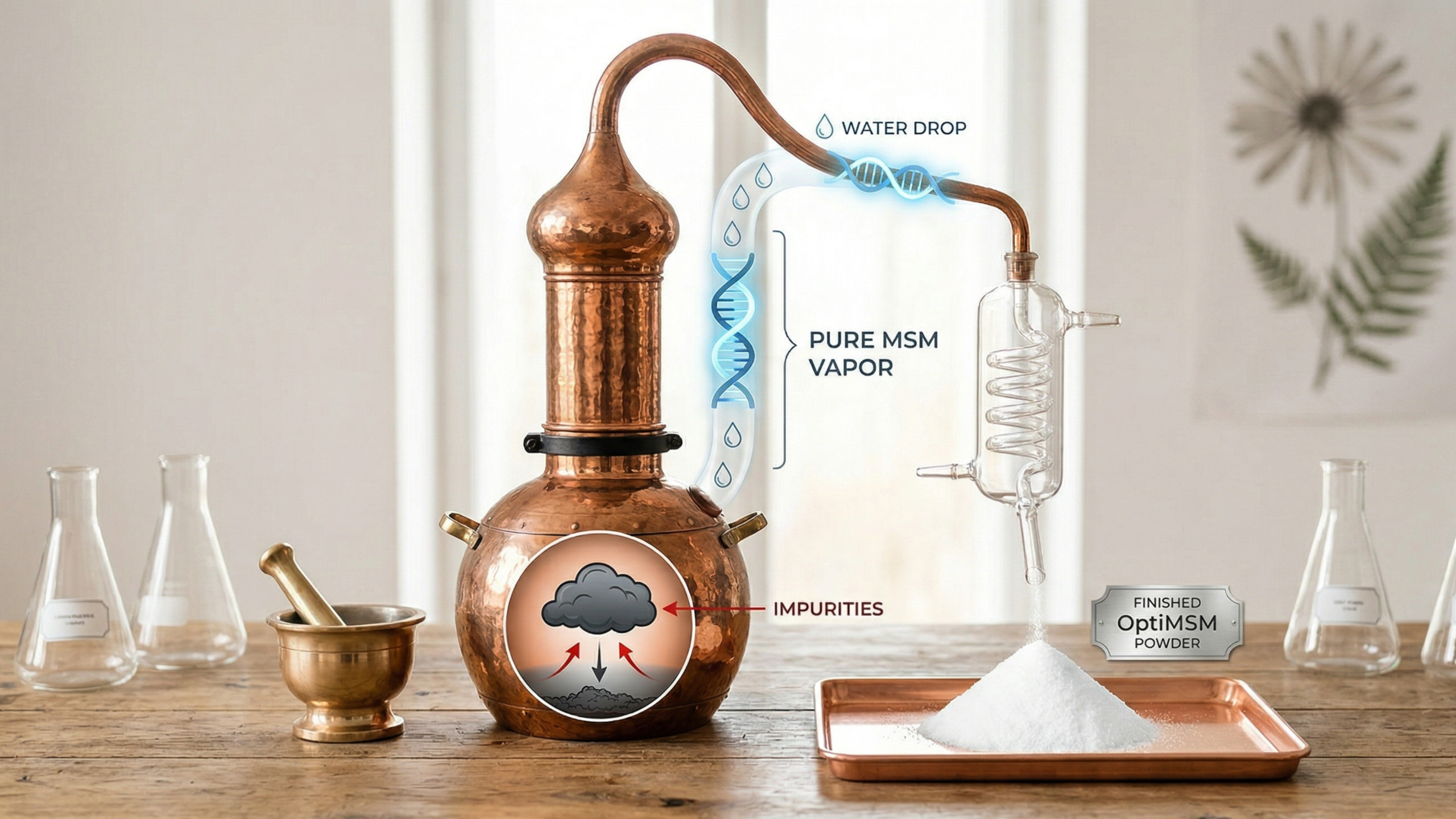
Generic MSM and OptiMSM® are not the same product. The distillation process affects purity, and purity affects what actually reaches the bloodstream.
Read More →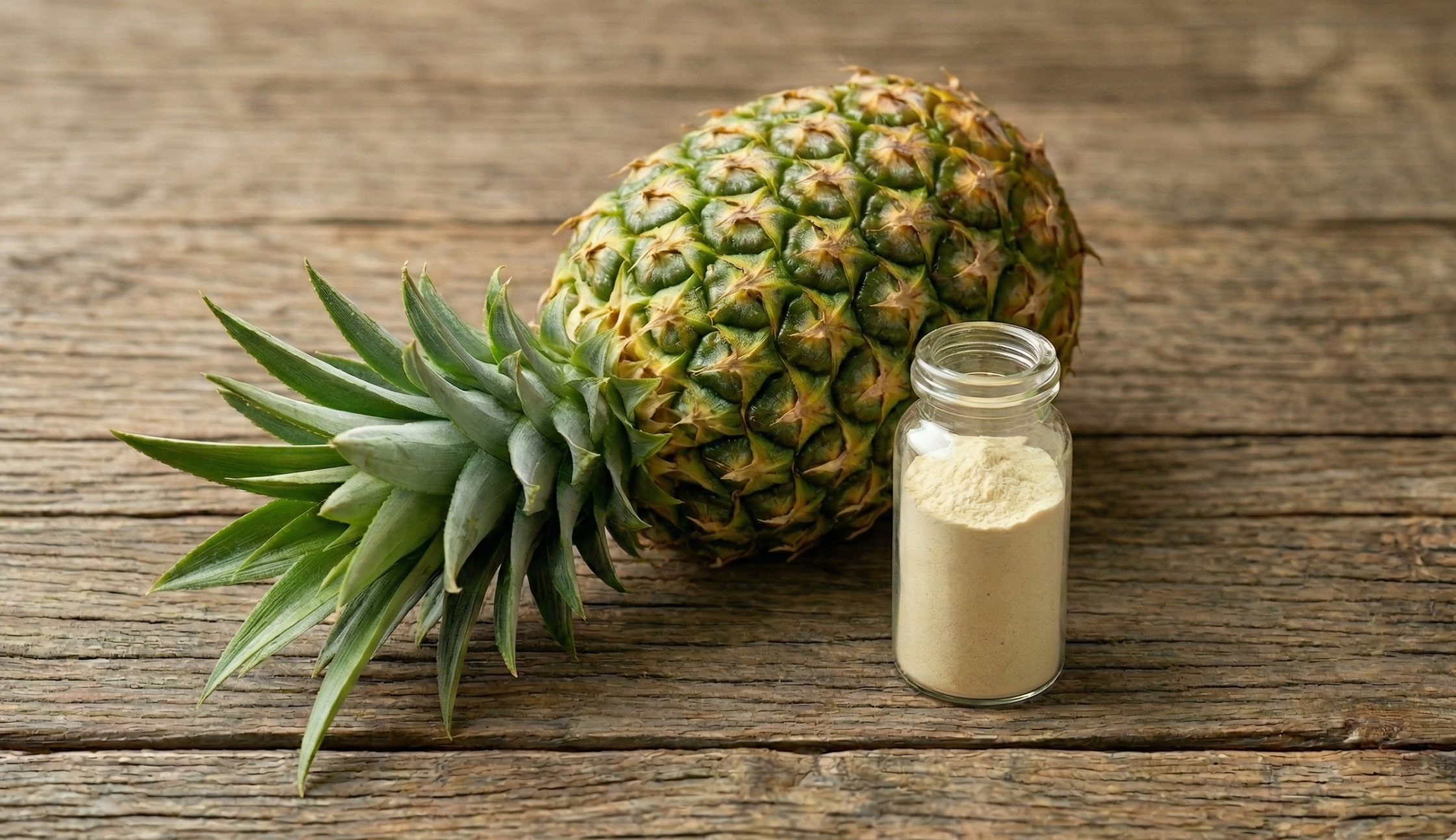
Clinical trial data showing bromelain increases quercetin effectiveness — moving responder rates from 67% to 82% — and the mechanism behind why enzyme co-administration matters.
Read More →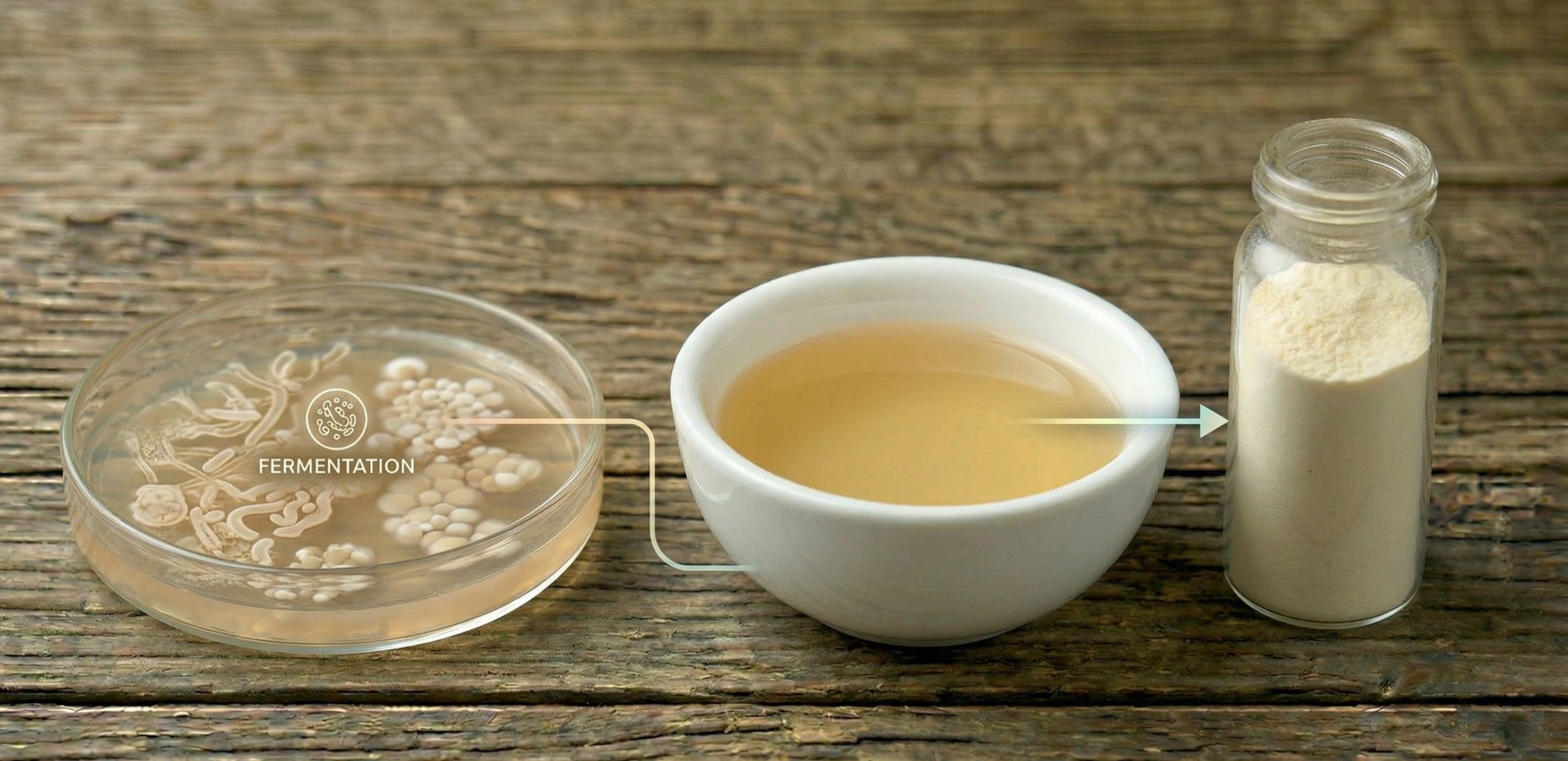
How spirulina and fat-soluble Vitamin C work together in the immune and antioxidant pathway — and why sourcing and form matter for bioavailability in lipid-rich tissues.
Read More →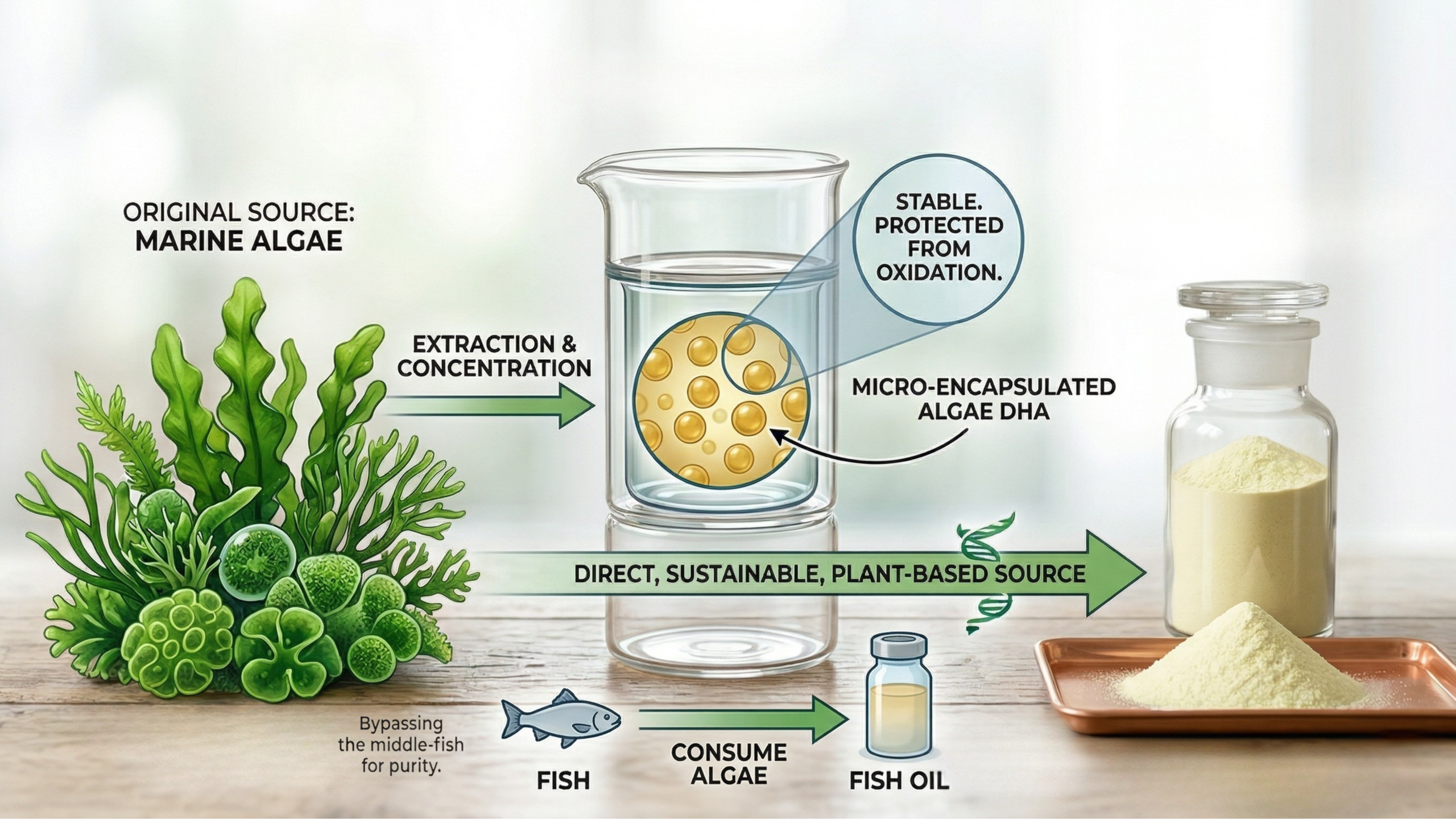
The inflammation pathway research on DHA — and why we chose algae-derived DHA over fish oil. Species-appropriate sourcing is not just a marketing position — there’s a physiological reason for it.
Read More →Opinions
These are opinions. They are clearly labeled as such. I think the difference between opinion and sourced science matters — and I will never blur that line. The three most recent are below. Read all opinions in the archive →
In the largely unregulated world of horse supplements, “proprietary” is a wall between a brand and the consumer. Every ingredient in Benchmark is listed with its dosage and the study that supports it. No gatekeeping. No mystery.
Adding electrolytes to make a horse thirsty so they drink is solving a problem you created. Here’s the case for desire-based hydration instead — and why it matters especially for metabolic horses.
Most companies hide behind proprietary blends. I decided to put it all on the table — every ingredient, every dosage, every study. The Library exists so you can verify the reasoning yourself.
Things you can actually use today.
Hydration protocols, palatability, metabolic safety, travel and show prep, medication compliance. The practical application of everything else in The Library. The three most recent are below. See all practical guides →
Medication & Compliance
Masking Medication: How to Get a Horse to Take What They Need
Why most masking strategies fail — and how aromatic competition actually works long-term. Includes the step-by-step protocol and flavor recommendations by medication type. Pairs with the Water Buffet Method to pre-establish a safe flavor before the medication starts.
Read the Guide →Travel & Shows
Why Your Horse Refuses to Drink at Shows (And What Actually Works)
It’s not stubbornness — it’s biology. The scent-conditioning protocol that actually works, starting three weeks before you haul. Also relevant for Florida summer show season.
Read the Guide →Metabolic Safety
Safe Hydration for Metabolic Horses: Cushing’s, IR, and Laminitis
Why electrolytes and sugar-based palatants are the wrong tools for metabolic horses — and what desire-based hydration does differently. Includes flavor recommendations safe for IR, Cushing’s, and laminitic horses. See also: FAQ on metabolic safety.
Read the Guide →The Library is a living document.
New research breakdowns, ingredient deep-dives, and the occasional hot take get added regularly. Every article is sourced, labeled, and written by someone who actually read the studies — not a content team. The full archive lives at /blog/.
Land O’ Lakes, FL · Est. 2025 · Built for horses, by someone who ran out of patience for the old way.